
Did you know a single gesture can bridge centuries of tradition and modern professionalism in under three seconds? In the UAE, how you extend your right hand speaks volumes before words even begin. This isn’t just about politeness—it’s a cultural compass guiding trust-building in business and daily life.
Rooted in Islamic practices, the emphasis on using the right hand carries deep symbolic weight, reflecting cleanliness and sincerity. Phrases like “peace upon you” often accompany these moments, weaving warmth into every interaction. But there’s nuance: while men typically exchange firm handshakes, women may opt for nods unless they initiate contact—a detail underscored in UAE business etiquette guides.
This ritual isn’t new. For generations, the act has symbolized mutual respect, whether sealing deals or welcoming guests. Today, it blends formality with genuine hospitality—a dance of tradition and adaptability.
In the UAE, greeting rituals center on using the right hand and established verbal salutations drawn from Islamic tradition. The right hand is employed for handshakes, presenting items and offering blessings, reflecting principles of cleanliness, sincerity and mutual respect. Men typically initiate a firm but brief handshake paired with “As-salaam ’alaykum,” while women may offer a nod or smile unless they choose to extend their hand. Left-hand use is minimized to prevent unintended offense, so documents, gifts and refreshments are passed with the right hand or with both hands when formality is required.
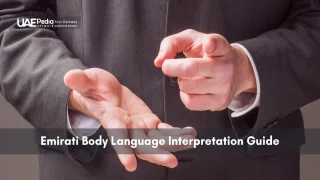
Precise gesture mechanics and contextual cues guide effective interactions in professional and social environments. A proper handshake involves eye contact, 2–3 seconds of firm pressure and a smooth release. When addressing elders or close associates, a hand-over-heart motion or light kiss to the right hand conveys added deference. Contemporary settings streamline traditional phrases—“Ahlan” replaces longer poetic greetings among peers—while core practices adapt for mixed-gender or informal gatherings. Awareness of these conventions signals cultural competence, supports trust building and ensures respectful communication across diverse Emirati contexts.
We’ll unpack how to navigate these exchanges confidently, from reading subtle cues to honoring local customs. Here’s what you’ll gain:
- The cultural roots behind hand preference and verbal blessings
- Gender-aware approaches for diverse social settings
- Historical context shaping modern interactions
Understanding Emirati Cultural Greetings
From desert camps to glass towers, how people say hello here tells a story older than skyscrapers. These exchanges aren’t just niceties—they’re living bridges between generations.
When Words Carry More Than Sound
“Ahlan wa sahlan” (welcome) often floats through air-conditioned malls today, but its roots reach Bedouin tents. Locals might press their right hands to their heart after a handclasp—a silent “I see you” that transcends language.
In business meetings, men usually initiate contact with firm shakes. Women might offer warm smiles instead, unless they extend a hand first. One Dubai entrepreneur shared:
“My first client meeting taught me—watch their eyes, not just their palms. True connection starts there.”
From Sand to City: Greetings Evolve
Modern adaptations keep traditions alive. At home, families still exchange forehead kisses. In offices? A quick “as-salaam ‘alaykum” (peace be upon you) suffices before diving into emails.
| Aspect | Traditional Practice | Modern Adaptation |
|---|---|---|
| Verbal Greeting | Full poetic phrases | Shortened versions |
| Physical Gesture | Extended hand-holding | Brief, firm shakes |
| Gender Norms | Separate greeting spaces | Mixed settings with cues |
Notice how younger generations blend old and new? They’ll text “Marhaba!” (hello) but still serve dates to guests—digital ease meets timeless hospitality.
Read More:
The Role of the Right Hand in Emirati Greetings
Imagine your hands as cultural ambassadors—every gesture carries unspoken rules. In the Middle East, the right palm isn’t just a body part. It’s a bridge to trust, shaped by centuries of tradition and religious values. ADTCA guidelines highlight this as non-negotiable: using the left hand risks offense, even accidentally.
Avoiding Cultural Taboos and Ensuring Respect
Why the right side? Islamic teachings tie it to purity—eating, giving, and connecting start here. One etiquette coach shared:
“I’ve seen deals stall when someone fumbles a document with their left. It’s not malice—just muscle memory needing rewiring.”
Here’s the twist: locals rarely lecture visitors. But knowing well these norms earns silent approval. Keep your left hand relaxed by your side during conversations. If you’re holding coffee, switch cups smoothly—no juggling acts.
| Gesture | Traditional Use | Modern Adaptation |
|---|---|---|
| Handshake | Full palm contact, held longer | Brief but firm pressure |
| Passing Items | Right hand only, two-handed if respectful | Right hand preferred, left tolerated if busy |
| Greeting Elders | Kissing the right hand | Light touch to heart after shaking |
Travelers often ask: “What if I’m left-handed?” Practice makes polished. A Dubai tour guide advises: “Use your right for key moments—shakes, gifts, meals. Your left can hold your bag or phone.”
Respect here isn’t about perfection. It’s showing effort to honor a culture that values intentionality. Next time you extend your right palm, remember—you’re not just saying hello. You’re whispering “I see you” in a language older than skyscrapers.
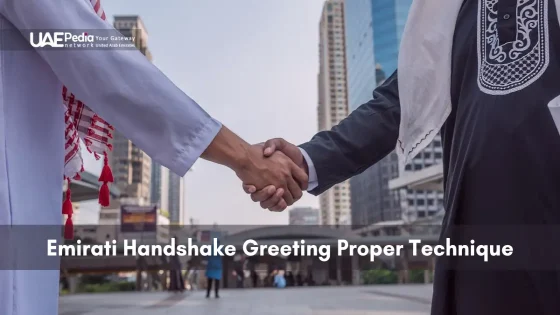
Mastering the Emirati Handshake Greeting Proper Technique
Your palm’s pressure and eye contact duration speak louder than CVs in Abu Dhabi’s competitive job market. Nail this silent language, and you’ll unlock smoother negotiations across conference tables and coffee meetings alike.
The Five-Second Rule for First Impressions
- Lock eyes before extending your right hand—shows respect
- Apply firm (not crushing) pressure for 2-3 seconds
- Pair with a warm “As-salaam ‘alaykum” or “Good morning”
- Release smoothly while maintaining eye contact
Dubai etiquette coach Fatima Al-Mansoori shares:
“Foreign professionals often grip too tight. We value confidence, not dominance—think of it as passing a ripe date without squashing it.”
Gender Nuances Decoded
In mixed business settings, let women initiate physical contact. If she offers a nod instead, mirror her gesture. One HR manager confides: “I appreciate when colleagues wait half a beat—it shows cultural awareness.”
| Scenario | Traditional Approach | Modern Workplace |
|---|---|---|
| Man greeting man | Full handshake + shoulder touch | Brief shake, no physical contact |
| Woman greeting man | Verbal greeting only | Handshake if she initiates |
| Woman greeting woman | Cheek kisses | Handshake or smile |
Stumbling mid-greet? A polite “Excuse my enthusiasm” in English works wonders. Most Emiratis appreciate visible effort over perfection—it’s the intent that builds bridges in jobs and beyond.
Integrating Religious and Traditional Values
What if a simple phrase could weave ancient faith into today’s coffee chats and Zoom calls? In the UAE, greetings like “as-salaam ‘alaykum” (peace be upon you) aren’t just words—they’re threads stitching spiritual roots into daily life. This blend of reverence and practicality shapes everything from boardroom meetings to market haggling.
Understanding “As-salaam ‘alaykum” and Its Response
Rooted in Islamic teachings, this greeting carries blessings. Responding with “wa ‘alaykum as-salaam” (and peace be upon you) completes the exchange like a cultural handshake. One language tutor explains:
“It’s not just about translation—it’s timing. Answer within three seconds, and you honor centuries of tradition.”
Compare this to “Ahlan” (welcome), often used casually between friends. While both express warmth, “as-salaam ‘alaykum” holds deeper sacred weight. Historical stories trace its use to Bedouin traders, who’d pause caravan journeys to exchange these words as trust-building rituals.
| Greeting | Context | Modern Use |
|---|---|---|
| As-salaam ‘alaykum | Formal meetings, elders | Workplace openers |
| Ahlan | Friends, peers | Cafes, social media |
Here’s a pro tip: Pair the phrase with a slight nod or hand-over-heart gesture for full impact. In business settings, this combo signals respect without stiffness. A Dubai HR manager notes: “New hires who master this dual way of greeting often build rapport faster.”
These traditions aren’t frozen in time. At cultural hubs, you’ll hear youth blend “as-salaam ‘alaykum” with fist bumps—proof that core values adapt without fading. Whether you’re networking or sharing karak tea, these words remain keys to unlocking genuine connection.
Practical Applications in Business and Social Settings
What defines those crucial first five seconds when meeting a potential client or new in-laws? In the UAE, your form of connection acts as a cultural passport—stamped differently for boardrooms versus backyard barbecues.
Adapting the Technique for Formal and Informal Interactions
Morning meetings demand crisp efficiency. A brief handshake paired with “Sabah al-khair” (good morning) works best. Save the hand-over-heart gesture for later—it’s like saving dessert after the main course.
“In fast-paced environments, time your gestures like metro transfers—precise and purposeful,” advises Dubai protocol trainer Khalid Al-Farsi.
| Setting | Professional Approach | Social Approach |
|---|---|---|
| Business Breakfast | Single firm shake, eye contact | Light touch, inquire about family |
| Family Gathering | N/A | Warm smile, hand on heart |
| Networking Event | Quick shake with business card | Extended palm, personal questions |
Weekend family lunches flip the script. Here, lingering hand clasps and three cheek kisses (right-left-right) replace hurried hellos. Pro tip: Mirror the host’s energy—if they’re barefoot in the majlis, kick off your shoes first.
Avoid these missteps:
- Crushing grips during Ramadan morning meetings (low energy)
- Forgetting to ask about children at social events
- Using left hand to pass documents after shaking
First impressions set the sign for relationships here. A well-timed smile or respectful nod can outlast any contract signature. Whether sealing deals or sharing gahwa, these tips turn fleeting moments into lasting bridges.
Final Reflections on Embracing Emirati Greeting Culture
Imagine savoring lamb machboos at a buzzing Dubai restaurant—your host’s warm smile and light cheek touch revealing more than menus ever could. These moments capture why skills in cultural connection matter. Whether sealing deals in boardrooms or sharing laughs over karak tea, every exchange becomes a bridge between worlds.
Mastering these customs isn’t about rigid rules. It’s understanding that a meeting opener might blend a firm palm press with “as-salaam ‘alaykum,” while family gatherings welcome three air kisses near cheeks. At work, your ability to adapt across times and settings—formal lunches to casual coffees—shapes trust faster than any PowerPoint slide.
Here’s the beautiful part: locals appreciate earnest effort over perfection. Stumble? A genuine “I’d love to learn” with thoughtful questions often sparks richer conversations. Those who embrace this idea find doors opening—both in restaurants where strangers become friends, and during high-stakes meetings where respect seals partnerships.
Keep refining your skills. Notice how elders greet at heritage sites. Watch colleagues’ body language during iftar gatherings. Each interaction teaches subtle codes that work across times—yesterday’s desert traditions meeting tomorrow’s innovation hubs.
Your turn: Share your stories of connection over saffron-infused rice or skyscraper meetings. Every exchanged smile and respectful nod threads another stitch into the UAE’s vibrant cultural tapestry.
Greetings here reflect respect, honor, and hospitality – core values woven into daily life. A proper handshake isn’t just politeness; it’s a bridge connecting tradition with modern relationships, whether at a desert majlis or a Dubai boardroom.
Absolutely! The right hand carries cultural and religious significance across the Gulf. Using your left is considered impolite, as it’s traditionally linked to hygiene practices. When in doubt, keep that coffee cup in your left and greet with the right.
Start with eye contact and a warm smile. Say “As-salaam ‘alaykum” (peace be upon you) while offering your right hand. The response “Wa ‘alaykum as-salaam” completes the circle. Pro tip: Lightly touch your heart afterward for extra sincerity – locals love this gesture!
Business handshakes tend to be brief and firm, while social ones might linger with inquiries about family. Men often greet men with a handshake, but wait for Emirati women to extend their hand first. When unsure, a hand-over-heart nod works gracefully.
A genuine “Al-ma’thira” (excuse me) smooths most slips. Emiratis appreciate visitors making cultural efforts. One expat shared how her botched handshake became a laughing icebreaker – followed by a patient etiquette lesson over karak tea!
Many Emirati businesswomen will offer handshakes freely, but conservative norms still exist. Watch for cues: if a woman keeps her hands clasped, respond with the heart-touch gesture. Gender policies vary by workplace – when in doubt, follow your host’s lead.