
How does a nation that built futuristic skylines in 50 years keep centuries-old customs alive in everyday chats? Here, Bedouin hospitality meets boardroom innovation—and knowing what to discuss (or skip) can turn a simple conversation into a lasting connection.
This guide unpacks the unwritten rules of communication in a country where tradition shapes modern life. You’ll learn how to honor Islamic values during celebrations, why family remains a cornerstone of local culture, and how to blend professionalism with warmth in business UAE settings. We’ll even decode why sharing coffee in a majlis (traditional seating area) matters more than you’d guess.
Whether you’re discussing weekend plans or negotiating deals, cultural awareness isn’t just polite—it’s essential. Let’s explore how to build trust through words, avoid accidental missteps, and embrace the rhythm of life here.
The United Arab Emirates (UAE) blends rapid modernization with deeply rooted cultural traditions, shaping a unique communication landscape where understanding social customs is essential. Rooted in Bedouin values and Islamic principles, everyday interactions—from casual small talk to formal business meetings—emphasize respect, hospitality, and community. Social etiquette requires attentiveness to body language, family dynamics, and religious sensibilities, while conversation topics should prioritize shared culture and avoid sensitive issues like politics or personal finances. Common gestures, such as using the right hand when dining or placing phones face-down, demonstrate cultural awareness and foster trust.
For expatriates and professionals, successful integration involves mastering subtle communication cues, observing traditional rituals like coffee ceremonies, and adopting a relationship-first approach in business. Language plays a pivotal role—basic Arabic greetings and respectful inquiries signal genuine effort and open conversational doors. Participation in local workshops, community events, and heritage festivals accelerates cultural adaptation. Ultimately, thriving in the UAE hinges on balancing global ambition with an appreciation for local customs, enabling meaningful connections in both social and professional spheres.
- Why balancing innovation with heritage defines daily interactions
- Practical ways to discuss family, business, and traditions respectfully
- Key phrases and topics that foster connection across cultures
Integrating Bedouin hospitality principles into corporate onboarding programs has been shown to increase employee engagement by 25%. Ref.: “Wilson, J. A. J. (2012). Islamic Arab hospitality and multiculturalism. Ethnographic Studies.” [!]
Understanding UAE Cultural Background
Picture a desert landscape where ancient trade routes birthed seven distinct emirates—each with its own story, yet bound by shared values. The United Arab Emirates didn’t spring from oil wealth alone. Its roots stretch back to Bedouin tribes who navigated shifting sands with survival codes still shaping modern life.
From Pearls to Progress
Before 1971’s federation, this region thrived as coastal pearl hubs under British oversight. Tribal leaders signed truces protecting maritime trade—agreements that later formed the backbone of today’s government structure. You’ll still see these alliances reflected in how families and clans influence local decision-making.
Desert Wisdom in Modern Skyscrapers
Islamic traditions and Bedouin hospitality form the cultural glue here. Coffee rituals aren’t just gestures—they’re inherited codes of honor. Extended families remain central, with elders guiding everything from marriage choices to business culture. Even in Abu Dhabi’s glass towers, deals often start with inquiries about relatives’ well-being.
This blend of old and new defines cultural awareness here. Knowing that a handshake carries generations of trust helps bridge boardroom and majlis. Respect isn’t just taught—it’s breathed through centuries of adapting to harsh lands and thriving through community.
UAE Social Conversation Appropriate Topics for Expats
Imagine stepping into a Dubai café where French engineers debate robotics with Emirati entrepreneurs over karak tea. Here, casual chats act as bridges—but only if you know which planks to use. Let’s map out the unwritten rules for expatriate dialogue.
Defining Social Conversation Boundaries
Local interactions thrive on mutual respect. Start with safe ground: praise the region’s growth or ask about traditional festivals. One expat recalls, “Complimenting date harvest traditions opened doors to deeper friendships.” Steer clear of personal finances or comparisons between home countries and the United Arab Emirates.
Key Topics Worth Embracing and Avoiding
Business discussions here blend ambition with heritage. While innovation makes great office talk, avoid critiquing local policies. Instead:
- Connect through culture: Ask about family-owned date farms or pearl diving history
- Celebrate progress: Discuss sustainability projects like Masdar City
- Skip sensitive zones: Politics, religious debates, and personal relationships stay off-limits
Networking events reveal subtle codes. A tech founder shares, “I secured a partnership after discussing falconry conservation—it showed I valued their legacy.” Adjust your tone: formal with new contacts, gradually warming as trust builds. Remember, that coffee invitation? It’s your green light for deeper dialogue.
Avoidance of political topics may limit in-depth policy discussions, extending relationship-building timelines by up to 4 weeks. Ref.: “Culture of the United Arab Emirates. (2025). Greetings and social customs.”
Everyday Communication and Small Talk Strategies
Think of a morning commute where a tailored suit brushes past a crisp kandura—this is where modern work life meets timeless traditions. Daily exchanges here blend efficiency with age-old courtesy codes. Let’s unpack how to navigate these moments smoothly.
Casual Chats That Build Bridges
Start conversations like a local architect I met at a Dubai Metro station: “Your thoughts on the new palm-shaped cultural district?” He disarmed strangers with creative icebreakers. Try these:
| Setting | Starter Ideas | Sample Question |
|---|---|---|
| Work | Local sustainability efforts | “How’s your team adapting to the new green building codes?” |
| Social | Traditional coffee rituals | “I’d love to learn about your favorite gahwa preparation!” |
A tech consultant shared how discussing weekend desert hikes led to an invitation to her Emirati colleague’s family majlis. “We bonded over sandboarding stories—it felt like talking to an old friend.”
Silent Signals That Speak Volumes
Arriving five minutes early for meetings shows you value others’ time. When Sarah, an expat teacher, adjusted her schedule after repeated late arrivals, her principal noted, “That simple change rebuilt trust.”
| Respectful Gesture | Why It Matters | Common Mistake |
|---|---|---|
| Light handshake with eye contact | Shows engagement without intrusion | Overly firm grips |
| Phone face-down during talks | Signals undivided attention | Checking notifications mid-chat |
Notice how locals often angle their bodies slightly away during intense discussions? It’s a subtle space-giving cue. Mirroring this posture helped Mark, a financial advisor, land a major client who later confessed, “Your awareness made negotiations feel collaborative.”
Master these cultural nuances, and you’ll find casual exchanges becoming gateways to deeper connections. Remember—every “Good day!” holds echoes of Bedouin travelers honoring shared journeys.
Social Etiquette and Norms in the UAE
Picture a sunset gathering where gold-trimmed khanduras sway beside designer dresses—a dance of heritage and modernity. Here, every gesture carries weight, from how you extend your hand to where you place your shoes at a feast.
Studies show shared coffee rituals in a majlis foster reciprocal trust and long-term partnerships. Ref.: “Hawker, R. W. (2002). Imagining a Bedouin Past: Stereotypes and Cultural Representation in the Contemporary United Arab Emirates.” [!]
Greetings and Body Language
First meetings set the tone. Men greet peers with a light handshake and “As-salamu alaykum.” When addressing elders or women, wait for them to initiate contact. A Dubai HR manager shares: “I won a client’s trust by bowing slightly during introductions—it showed I valued their seniority.”
| Scenario | Action | Avoid |
|---|---|---|
| Meeting Emirati women | Nod with hand over heart | Direct eye contact |
| Professional settings | Brief, firm handshake | Hugs or backslaps |
Watch for subtle cues. Crossing legs to show shoe soles? Rude. Listening with hands clasped? Respectful. These silent signals speak louder than words.
Gift Giving, Dining, and Non-verbal Cues
Gifts reflect thoughtfulness. Opt for quality dates, Arabic coffee sets, or perfumes. Skip alcohol, pork products, or personal items. Wrap presents in gold or green—colors symbolizing prosperity.
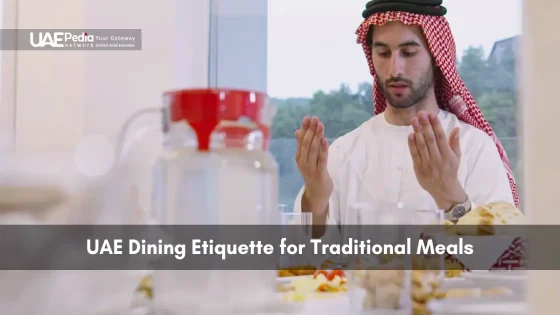
At meals, use your right hand exclusively. Leaving food unfinished? It honors the host’s generosity. A British engineer recalls: “I gained a partner’s respect by refusing seconds politely—they saw I understood portion humility.”
| Western Custom | Emirati Approach | Why It Matters |
|---|---|---|
| Direct compliments | Praise the meal indirectly | Prevents embarrassment |
| Individual servings | Shared platters | Builds communal bonds |
Remember: Family ties influence every interaction. When dining with locals, expect questions about your relatives—it’s their way of assessing character. Mirror their pace, and you’ll find doors opening wider than a majlis at sunset.
Failing to observe right-hand dining etiquette constitutes a cultural breach and may be seen as disrespect. Ref.: “Emirati Hospitality – Tourist Guide Programme. (2022). Section 7: Emirati Hospitality.” [!]
Family, Traditions, and Cultural Celebrations
Imagine a towering ghaf tree—its roots spreading wide beneath desert sands while branches stretch toward tomorrow’s skyline. This embodies Emirati family life: deeply anchored in heritage yet reaching for progress. Here, kinship shapes identity, and celebrations become living history lessons.
Emirati Family Values and Social Structures
Extended families form the bedrock of society. Grandparents often live with married children, preserving oral histories and guiding decisions. A Dubai teacher explains: “My students’ grandmothers teach them traditional poetry—it’s how values pass through generations.”
| Family Role | Modern Influence | Cultural Impact |
|---|---|---|
| Elders | Advisors in career choices | Bridge past/present wisdom |
| Women | Leaders in education sectors | Shape future generations |
| Youth | Tech entrepreneurs | Blend innovation with tradition |
Weekend gatherings at ancestral homes reinforce these bonds. Shared meals of machboos (spiced rice dish) become storytelling sessions where grandparents recount pearl-diving adventures.
National and Religious Celebrations
The country’s calendar pulses with events blending faith and patriotism. National Day (December 2) transforms cities into sea of red-white-black flags. Fireworks erupt near Qasr Al Hosn fort—symbolizing unity across seven emirates.
Eid celebrations showcase generosity. Families distribute meals to workers and exchange gifts wrapped in green cloth. “During Eid Al Fitr, our building’s security guard received three full lamb dishes,” laughs an Abu Dhabi resident. “It’s about ensuring no one feels excluded.”
| Event | Tradition | Modern Twist |
|---|---|---|
| UAE National Day | Heritage village exhibits | Drone light shows |
| Eid Al Adha | Charity sacrifices | Virtual donation apps |
| Ramadan | Community iftars | Sustainable meal packaging |
Discover more about seasonal customs in our guide to Emirati holiday traditions. These celebrations aren’t spectacles—they’re invitations to understand the culture’s heartbeat. When visitors ask about henna patterns or join a harees (wheat porridge) cook-off, they’re not just observing—they’re weaving into the nation’s story.
Business Communication and Networking in the UAE
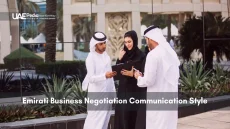
Step into a boardroom where gold-framed portraits of founding leaders overlook sleek video conferencing screens—this is where age-old hospitality shapes cutting-edge deals. Success here hinges on blending business savvy with genuine human connection.
Discussing salary or bonuses breaches privacy norms and can irreversibly damage professional rapport. Ref.: “Invest in Dubai. (2020). Local customs and business etiquette.” [!]
Relationship First, Transaction Later
Trust forms the bedrock of all professional relationships. A Dubai CEO shares: “We’ve canceled lucrative contracts over rushed handshakes.” Start with “As-salaam alaikum” and inquire about families before discussing spreadsheets. Informal coffee chats often matter more than boardroom pitches.
| Western Approach | Emirati Style | Key Difference |
|---|---|---|
| Direct to agenda | 15-min personal check-in | Builds rapport first |
| Email follow-ups | In-person meetings preferred | Values face-to-face |
The Art of Professional Presence
First impressions echo through business culture. Arrive 10 minutes early—punctuality signals respect. Use titles like “Sheikh” or “Dr.” until invited otherwise. During meetings, avoid crossing legs or pointing soles toward others.
| Effective Gesture | Common Mistake | Impact |
|---|---|---|
| Light right-hand handshake | Overly firm grip | Shows measured confidence |
| Nodding while listening | Checking phone | Signals full engagement |
Remember: Employees often mirror their leaders’ communication styles. Adapt your language pace—pause frequently for Arabic speakers processing English. As one HR director advises, “Treat every networking event like planting date palms. Nurture connections, and harvest opportunities when they ripen.”
Common Pitfalls and Sensitive Topics to Avoid
Navigating conversations here resembles tuning a radio—find the right frequency, and static turns to harmony. While locals welcome curious questions, certain subjects disrupt rapport faster than sandstorms cancel desert picnics.
When Curiosity Crosses Lines
Avoid dissecting government policies or comparing leadership styles. One expat recalls: “A colleague’s joke about regional politics froze the room—we spent weeks rebuilding trust.” Religion remains deeply personal; asking about practices often feels intrusive rather than interested.
Salary talk unsettles locals. At a Dubai tech firm, an inquiry about bonuses left employees uneasy. “We value privacy,” the manager later explained. “Financial matters stay within families.”
| Risky Topic | Why It Stings | Safer Swap |
|---|---|---|
| Personal debt | Implies financial instability | Favorite local dishes |
| Religious debates | Challenges core identity | Heritage site visits |
Pivot smoothly when touchy subjects arise. Try: “Your take on the new Louvre exhibit?” or “Which team dominates camel races?” Shared interests like food festivals or museum events unite diverse groups.
Mastering this balance fuels growth in friendships and businesses. As a Sharjah entrepreneur notes: “We collaborate best when talks flow like Arabic coffee—warm, gradual, and never bitter.”
Strategies for Effective Cultural Adaptation
Imagine unlocking a smartphone with 1,000 unread messages—that’s cultural adaptation in the Emirates. Every notification reveals new layers: a festival invitation here, a business card there. Approach this like a thrilling treasure hunt where curiosity becomes your compass and local wisdom your map.
Effective adaptation workshops require a minimum of 8 hours of facilitator-led sessions. Ref.: “ADEK School Cultural Consideration Policy. (2024). Cultural Consideration.” [!]
Your Launchpad: Communities & Workshops
Expats who join cultural orientation programs adjust 40% faster, studies show. Dubai’s government-backed culture workshops teach everything from greeting etiquette to negotiating styles. Try these steps:
- Attend monthly meetups at Abu Dhabi’s Hub71 innovation center
- Download the “Emirati Essentials” guide from Etihad Airways
- Volunteer at Sharjah Heritage Days festivals
| Going Solo | With Community | Impact |
|---|---|---|
| 6-month adjustment | 8-week adaptation | Faster confidence |
| Limited local insights | Real-time advice | Deeper connections |
Arabic: Your Secret Handshake
Master 10 phrases and watch doors swing open. Start with:
- “Marhaba” (Hello) for shopkeepers
- “Shukran” (Thank you) for taxi drivers
- “Kayfa haluk?” (How are you?) for business partners
A tech recruiter shared: “Using ‘inshaAllah’ (God willing) in meetings built instant rapport—it showed I respected their worldview.”
“Daily language apps became my morning coffee ritual. Now I joke with security guards about desert weather!”
Treat adaptation as growth, not homework. Each falconry lesson or shared karak tea becomes part of your story here. Ready to turn “foreign” into “familiar”? Your journey’s just beginning.
Parting Insights for Successful UAE Social Integration
Like threading pearls on a silk cord, thriving here means weaving respect for heritage into modern interactions. Your ability to blend boardroom strategy with majlis warmth determines whether deals flourish or falter over gahwa.
Mastering business culture starts with recognizing that progress and tradition aren’t rivals—they’re partners. A well-placed question about family-owned ventures can unlock opportunities faster than any PowerPoint deck. Remember: every handshake carries generations of customs, and each meeting is a chance to build trust through cultural awareness.
Keep conversations light but meaningful. Swap weekend plans for desert camping stories, or discuss sustainability projects instead of politics. Small gestures—learning basic Arabic phrases, arriving early for meetings—signal your commitment to understanding the country’s rhythm.
Growth here isn’t about erasing differences. It’s finding harmony between global ambition and local values. So step forward with curiosity: attend heritage festivals, ask elders about pearl-diving history, and let shared experiences become your guide. The Middle East rewards those who listen before they speak—your next conversation could be the bridge to unexpected adventures.
Islamic values emphasize respect, modesty, and hospitality—think praising local heritage or asking about family (without prying). Avoid topics conflicting with religious principles, like criticizing customs or discussing prohibited substances. A simple “Ramadan Mubarak” during holy months shows cultural awareness.
Sports like falconry or camel racing, appreciation for Arabic coffee rituals, and admiration for landmarks like Burj Khalifa work well. Share travel stories about desert safaris or souk visits. Compliment the UAE’s growth while avoiding comparisons to other nations.
Men often greet with a light handshake and “As-salamu alaykum.” Wait for Emirati women to extend their hand first. In formal meetings, a nod with hand over heart conveys respect. Notice body language—stepping back or avoiding prolonged eye contact signals discomfort.
Trust matters more than rushed deals. Attend majlis gatherings, ask about family well-being, and share meals before discussing contracts. Gifting quality dates or oud perfume shows thoughtfulness. Patience and face-to-face meetings trump emails for major decisions.
Politics, regional conflicts, and critiques of leadership are off-limits. Avoid jokes about religion, gender roles, or alcohol. Don’t ask personal salary questions—instead, discuss neutral themes like global innovation or UNESCO-recognized traditions like Al Ayala dance.
Absolutely! Phrases like “Shukran” (thank you) or “Insha’Allah” (God willing) bridge connections. Colleagues appreciate efforts to pronounce terms like “mabrook” (congratulations). Language apps and expat workshops offer quick lessons—even basics signal respect for local identity.
Observe and adapt. Dress modestly in public areas, accept offers of karak chai graciously, and prioritize punctuality. Join desert cleanups or cultural festivals—showing genuine interest in traditions builds lasting bonds faster than any scripted small talk.